Research indicates that the brain requires a constant stream of clear acoustic information to maintain its structural integrity and processing speed over time. When individuals experience muffled sounds or difficulty following conversations, the mind must work significantly harder to decode those fragmented signals into meaningful language.
This extra effort often drains the cognitive resources that the brain would otherwise use for memory, problem-solving, and managing daily tasks. Scientists now observe a strong statistical correlation between untreated auditory issues and the acceleration of memory-related conditions in aging populations through careful research and long-term studies.
The Heavy Load On Mental Processing Power
When ears stop picking up high-frequency sounds, the auditory cortex begins to reorganize itself to compensate for the lack of incoming data. This reorganization pulls resources away from the sections of the brain responsible for higher-level thinking as the brain shifts into an emergency mode.
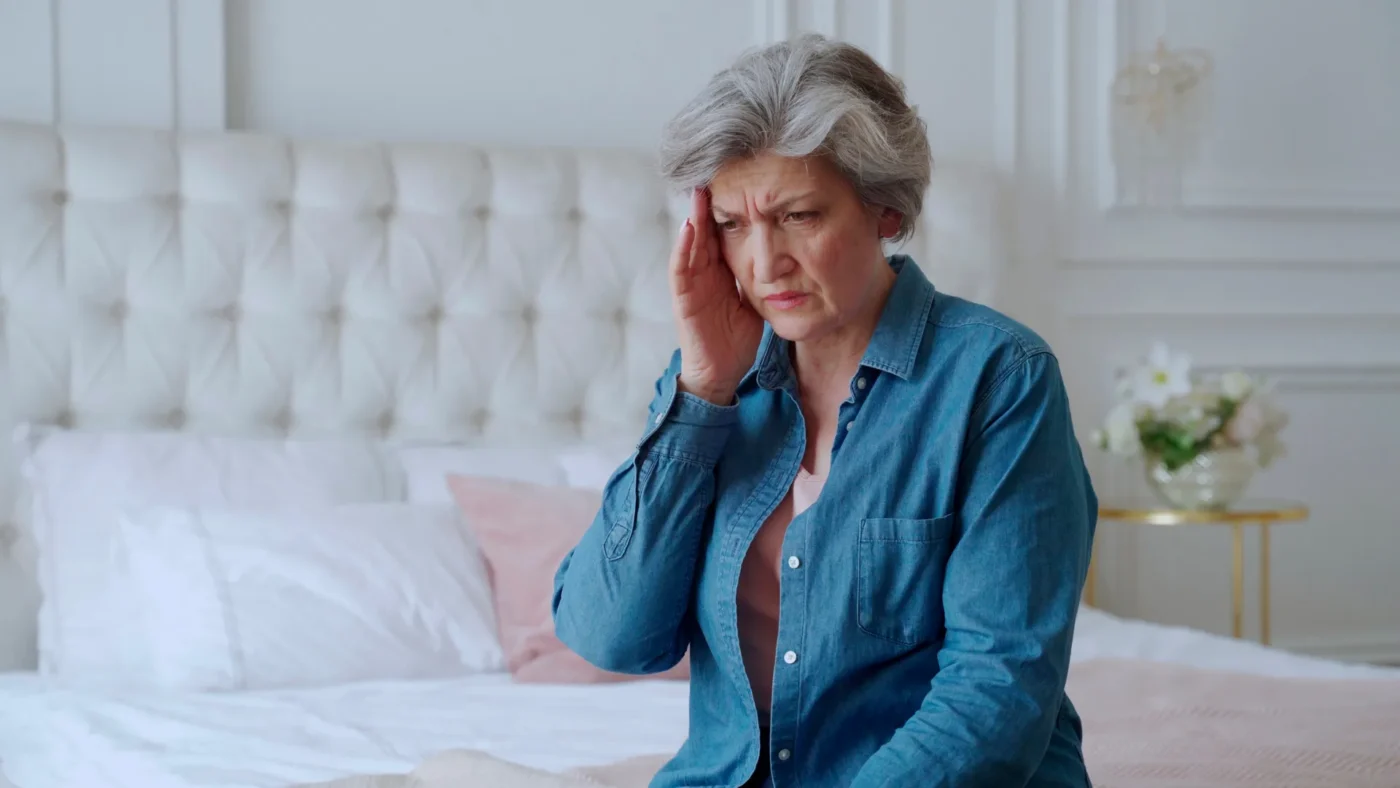
The mind feels exhausted after a simple dinner party because it fought a silent battle just to hear words spoken across the table. This persistent strain contributes to a mental fog that many people mistakenly attribute to the natural aging process instead of hearing trouble for the mind.
Why Social Isolation Changes The Human Brain
Humans rely on verbal communication to stay engaged with the world and keep their minds active and sharp during the aging process. When hearing becomes a struggle, many people start to avoid group settings because the effort required to participate feels far too overwhelming for their current state.
The lack of conversation and laughter starves the brain of the varied inputs it needs to stay healthy and vibrant throughout life. Loneliness resulting from poor hearing is just as damaging to the brain as physical ailments like high blood pressure that affect many older adults today.
Physical Effects Of Reduced Sound Stimulation
Advanced medical imaging shows that the parts of the brain dedicated to hearing actually shrink when they do not receive enough sound stimulation. This physical atrophy is not confined only to the auditory centers but spreads to the regions involved in memory and emotional regulation for a person.
When the brain does not use a specific pathway, it eventually prunes those connections to save energy for other biological functions it deems necessary. Consistent auditory input serves as a protective barrier that helps maintain the physical volume of the brain as the years pass by for everyone.
Common Misconceptions About Hearing Loss Concerns
Many people believe that losing the ability to hear is a harmless part of getting older that only requires a bit of patience. This perspective ignores the reality that the ears are a primary gateway for the data that keeps the mind functioning properly and quickly as a person.
Modern technology offers sophisticated ways to restore sound without the social stigma that older generations might have feared in the previous decades. Taking action early ensures that the mind remains familiar with the wide range of frequencies that make up the environment of daily life.
Environmental Factors And Auditory Protection Strategies
The world is louder than it used to be, and constant exposure to noise pollution plays a significant role in how quickly hearing fades. Protecting the ears from loud machinery or music is a fundamental step in preserving both the ears and the mind over time.
Healthy lifestyle choices like regular exercise and a balanced diet support the tiny blood vessels that provide oxygen to the inner ear. By prioritizing the health of the entire body, one creates a foundation where the mind can thrive well into the late senior years without losing its clarity.
Taking Steps Toward Better Mental Health Clarity
Maintaining a sharp mind requires a proactive stance toward any changes in how the world sounds during the course of a day. If conversations seem like they are happening underwater, it is time to seek a professional evaluation to protect future cognitive health and overall wellness.
Scheduling a consultation with a hearing health professional provides a clear path toward maintaining both auditory health and mental sharpness for the long-term future. Please take this step today to ensure that the mind remains a powerful and effective tool for many years of life to come.